Measles in Wisconsin
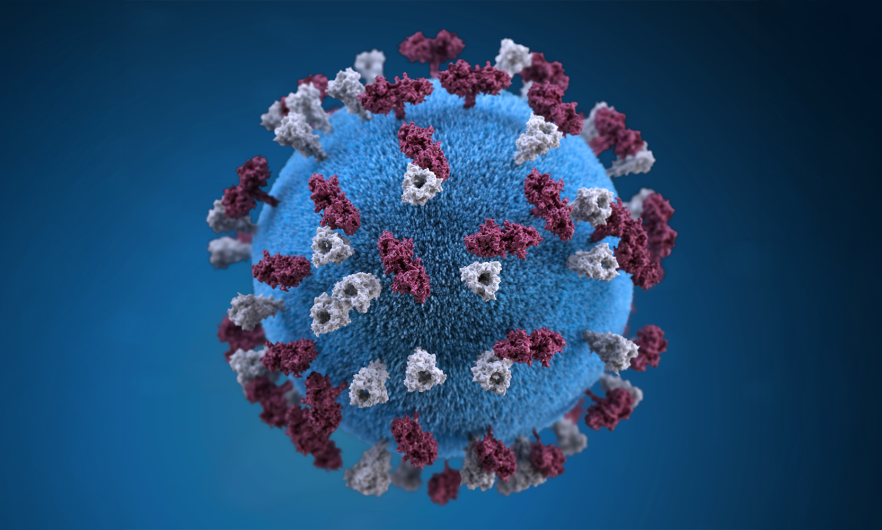
Measles is a highly contagious viral infection caused by the measles virus. It primarily affects unvaccinated children but can infect anyone without immunity. Historically, it was a common childhood disease worldwide and remains a significant health threat in areas with low vaccination rates. Track Measles activity and outbreaks specific to Wisconsin.
What is Measles?
Measles is one of the most contagious diseases known to humans. It's a viral infection that spreads through the air when an infected person coughs or sneezes. Before the measles vaccine was introduced in 1963, major epidemics occurred every 2-3 years, causing an estimated 2.6 million deaths annually worldwide.
Symptoms
- High fever (may spike to >104°F)
- Cough, runny nose, and red, watery eyes
- Koplik spots (tiny white spots inside the mouth)
- Red, blotchy rash starting on face and spreading downward
- Fatigue and body aches
- Loss of appetite
Transmission
Measles spreads through respiratory droplets when an infected person coughs or sneezes. The virus can remain airborne and infectious for up to 2 hours in an enclosed space. It is one of the most contagious diseases known, with 90% of non-immune individuals becoming infected after exposure.
Contagious Period: 4 days before to 4 days after rash appears
Prevention
- MMR (Measles, Mumps, Rubella) vaccine - 97% effective after 2 doses
- Isolation of infected individuals
- Post-exposure prophylaxis within 72 hours of exposure
- Immune globulin for high-risk individuals
- Maintaining high vaccination coverage (95%+) for herd immunity
Wisconsin Health Resources
Local health department information and state-specific prevention guidance
We're Monitoring Wisconsin
Our AI-powered surveillance continuously monitors Measles activity across Wisconsin. We track data from state health departments, local hospitals, CDC reports, and 50+ global health sources to provide early warning of emerging threats.
Get instant push notifications when Measles activity increases in Wisconsin or your specific county.
Wisconsin Health Department
For official state health alerts, vaccination locations, and public health guidance specific to Wisconsin, visit your state health department's website.
Protecting Yourself in Wisconsin
Whether you live in Wisconsin, are traveling there, or have family in the state, understanding Measles prevention is essential. Follow these evidence-based prevention measures:
Prevention Measures
- MMR (Measles, Mumps, Rubella) vaccine - 97% effective after 2 doses
- Isolation of infected individuals
- Post-exposure prophylaxis within 72 hours of exposure
- Immune globulin for high-risk individuals
- Maintaining high vaccination coverage (95%+) for herd immunity
When to Seek Care
If you experience symptoms of Measles in Wisconsin, contact your healthcare provider immediately. Early diagnosis and treatment improve outcomes significantly.
Emergency symptoms: If you experience severe symptoms, difficulty breathing, or signs of dehydration, call 911 or go to your nearest emergency room.
Expert Resources & References
Trusted information from leading health organizations
WHO
Global disease surveillance and guidelines from the World Health Organization
View WHO Resources →Medically Reviewed Content
Disease information on Virus Watcher is reviewed by our Chief Epidemiologist, a former CDC lead analyst for FluSight forecasting. Outbreak data is aggregated from verified sources including BEACON, ProMED, WHO, CDC, and 50+ national health agencies. This information is for educational purposes and should not replace professional medical advice.
Last reviewed: 2026-03-05
Frequently Asked Questions
Common questions about Measles answered by our epidemiology team
Related Diseases
Track other diseases with similar symptoms or transmission patterns
Get Measles Alerts for Wisconsin
Receive instant push notifications when Measles activity increases in Wisconsin or your travel destinations. Track 200+ diseases with location-based alerts. Used by healthcare systems, EMS, schools, and travelers worldwide.